

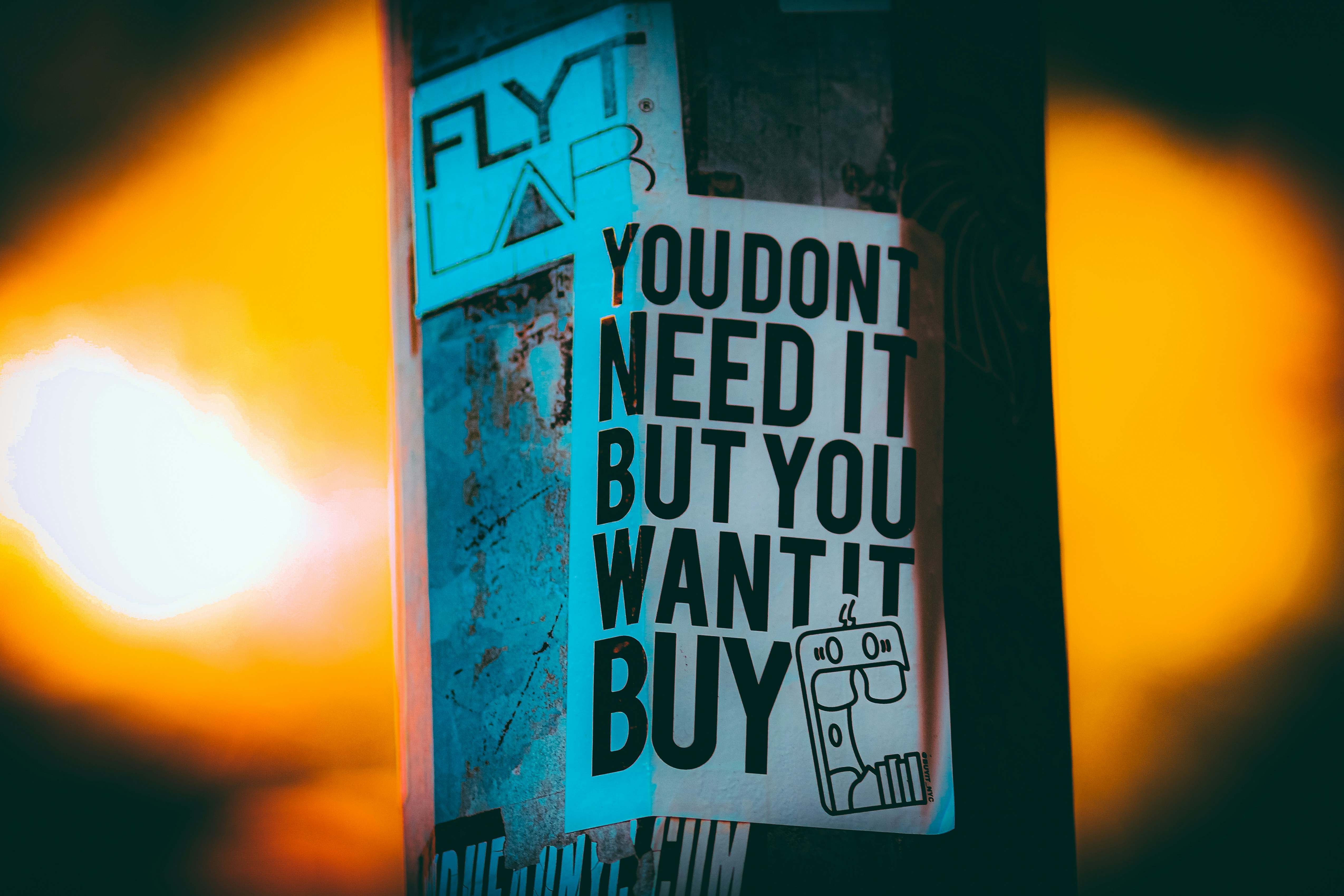
Every year, social media decides we’re all becoming new people. I’ve been seeing more and more people say they’re committing to a no-buy year, posting detailed “ins and outs” lists, and declaring they’re done with impulse spending, overconsumption, and excessive online shopping. For students and new grads navigating high cost of living, student debt, and uncertain job markets, the idea of pressing pause on spending can feel less like a trend and more like relief.
A no-buy year doesn’t have to be so extreme, rigid, or punishing to be effective. At its best, it’s a way to slow down, reflect on habits, and make your money work harder for you, without guilt or burnout.
Why no-buy years blow up every January
Obviously, January has become the unofficial reset button for money habits. After months of holiday spending and end-of-year reflection, many people crave structure and clarity. No-buy years offer exactly that – a clear way to focus on spending, making less decisions, and providing a sense of control at a time when finances can feel overwhelming.
For young people like us with limited budgets, the appeal is even stronger. When our income is limited and social media is constantly showing us new outfits, trips, and lifestyle upgrades, opting into a no-buy can feel like choosing peace. It’s not always just about saving money, it’s about comparing less and setting boundaries in a world that feels like it’s encouraging constant consumption.
What people get right about no-buy challenges
Despite the skepticism they can get, no-buy years actually have a lot going for them. They create awareness around spending patterns that often go unnoticed, like impulse purchases made out of boredom, stress or comparison. By removing the option to buy something new, even temporarily, people are forced to sit with the question of why they want it in the first place.
No-buy challenges can also reduce decision fatigue. When the default answer is “not right now,” it becomes easier to focus on bigger goals – building savings, paying down debt, or simply feeling more confident opening your banking app. For many young people, that sense of financial calm (and eventually financial freedom) is the real goal.
Why a full no-buy year can feel hard to sustain
Committing to a full year of no non-essential spending can feel daunting, especially when life is constantly changing. Over 12 whole months you things like new jobs, moves, weddings, trips, and unexpected expenses are pretty likely to pop up. When rules feel too rigid, even necessary or thoughtful purchases can cause a sense of guilt or the feeling that you’ve “failed.”
This doesn’t mean no-buy years don’t work, it just means they work best when they allow for real life. The goal shouldn’t be perfection, it’s more about progress and awareness. A reset like this should support your life and your long-term goals, not make it harder to live.
Why no-buy months might feel more realistic
One way many people are making no-buy challenges more sustainable in 2026 is by breaking them down into no-buy months. A month is long enough to notice patterns and short enough to feel achievable. It allows you to test boundaries, reset habits and build more confidence without the pressure or even fear/stress of such a long-term commitment.
No-buy months also make it easier to be intentional. You might choose to avoid buying clothes in January, limit takeout in February, or quit online shopping during exam season or a busy work stretch. Instead of strict rules, you’re practicing awareness, and that’s where real changes tend to stick.
Social media, consumerism and choosing to step back
Social media plays a huge role in why no-buy challenges resonate. Algorithms reward novelty and consumption, and it’s easy to feel like you’re constantly behind if you’re not upgrading something. A no-buy (whether for a year or just a month), can be a way to step back and ask yourself the real purpose of spending your money.
Rather than rejecting social media entirely (because I know that would be way too hard for me), no-buy periods can help you engage with it more critically. You start to notice how often desire is manufactured, and how none of it aligns with your financial goals. You can also start to change your algorithm, by engaging with creators and regular people who are also participating in no-buys – the community will help with motivation and also to see that it can be realistic and very rewarding.
How no-buy habits support long-term financial goals
For young people, especially those of us with fairly limited incomes, financial goals are often more practical. Building an emergency fund, paying off a credit card or student debt, saving for a move, or reducing financial stress matters a lot more than aesthetic budgeting trends. No-buy habits, especially when done in manageable chunks, create space for these goals without requiring a total lifestyle overhaul.
I think the key is flexibility. Spending intentionally doesn’t mean never treating yourself (you should totally be able to treat yourself to something you really want or have been saving up for), it just means doing it with clarity and without regret. When you remove guilt from the equation, you’re a lot more likely to build habits that last.
Final thoughts
You don’t need to commit to a perfect no-buy year to reset your relationship with money in 2026. Whether you try a full year, just a few months here and there, or one intentional spending reset, the value is really just in slowing down and paying attention.
In a culture that constantly encourages more buying, upgrading and consuming, choosing to pause is already a meaningful step. The best thing you can do is find an approach that fits your life and helps you feel more confident and in control.